Planning a safari to Kenya is one of the most exciting decisions you can make as a traveler. Whether you are dreaming of watching a million wildebeest thunder across the savanna or cooling your feet in the warm waters of the Indian Ocean, timing is everything. Knowing the Kenya safari best time of the year can mean the difference between a good safari and the safari of a lifetime
Understanding Kenya’s Seasons of the Year
Kenya has two main seasons: dry and wet (there is no summer, winter, autumn or fall). Unlike many destinations where rain means stay home, Kenya’s wet season has its own unique appeal.
It is important to understand these seasons since rainfall shapes everything (the clarity of game viewing, migration patterns and the terrain).
- Dry Season: June to October and January to February — this is considered the best season for game viewing in safari destinations such as Maasai Mara because the weather allows complete visibility and also with water drying up wild animals congregate around the remaining sources of water, which is perfect for spotting and photographing them.
- Wet Season (Long Rains): March to May — The vibrant grasslands are appealing to some tourists, but because animal spread out more widely, game viewing during this season is a little more unpredictable.
- Short Rains: November to December —the lush backdrops give perfect scenery for photographers.
Best Time to Visit Kenya Masai Mara
The Masai Mara is Kenya’s crown jewel, and honestly, it rewards visitors almost any time of year. That said, the undisputed peak period is July through October. During these months, the grass is low, predator activity is high, and the atmosphere in the reserve is electric.
What Makes July to October So Special for Safari?
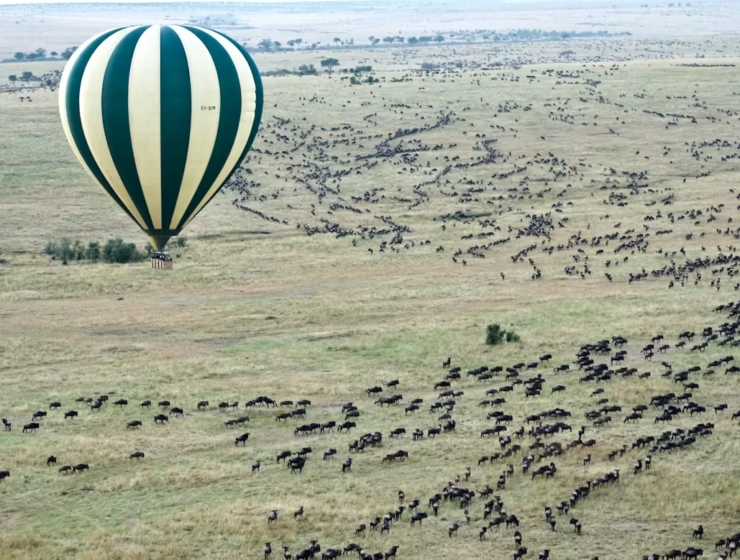
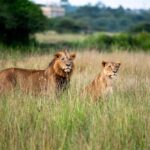
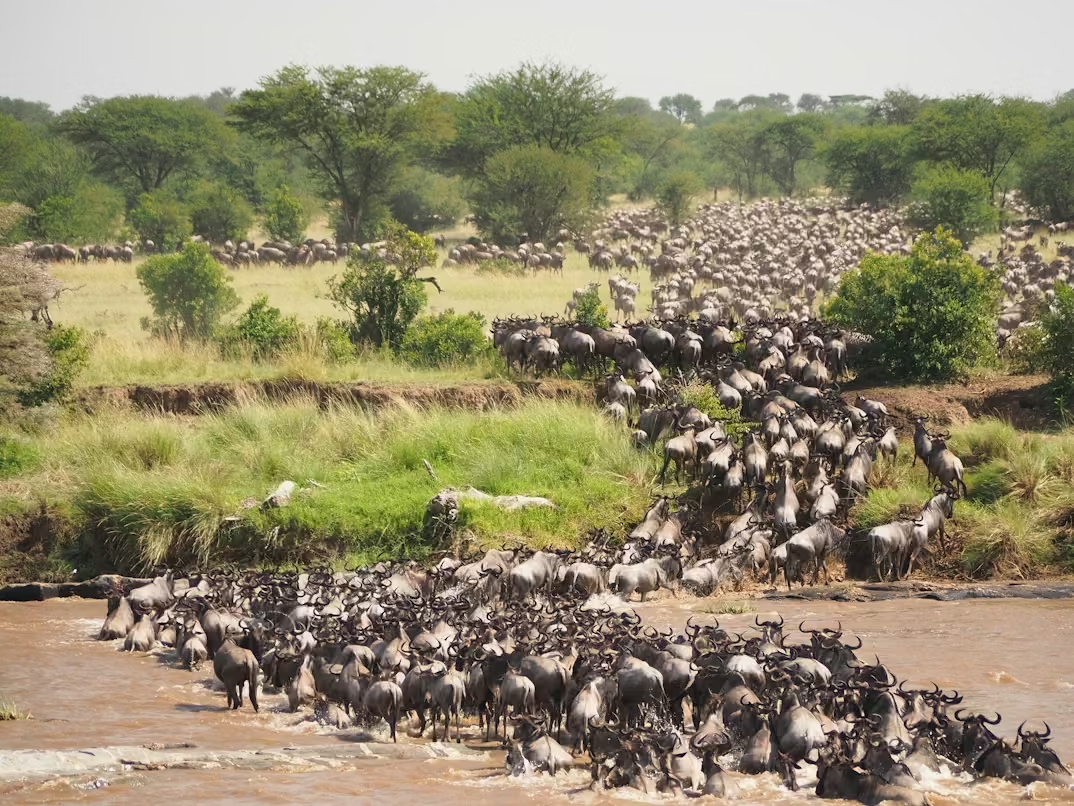
From July onwards, the Mara fills up with game. Lions are active, cheetahs hunt in the open plains, and elephant herds move freely. But the biggest draw of all is the Great Migration.
Beyond the migration, the dry season means animals congregate along the Mara River and its tributaries. A single morning game drive can yield sightings that would take weeks to match elsewhere. If the Masai Mara is your priority, don’t compromise on timing, aim for this window.
The short dry season (December-February) presents an excellent opportunity for spotting predators especially the big cats (lions, leopards, and cheetahs). It is also preferred by some tourists since it is less crowded than the main migration season.
Visiting the Masai Mara in the Green Season
From November through May, the Mara is quieter and genuinely beautiful. The plains turn a vivid green, baby animals are everywhere, and bird life explodes with colour and variety. If you’re a photographer or someone who prefers solitude over crowds, the green season has a quiet magic that peak season simply can’t offer.
Best Time to Visit Kenya for the Great Migration
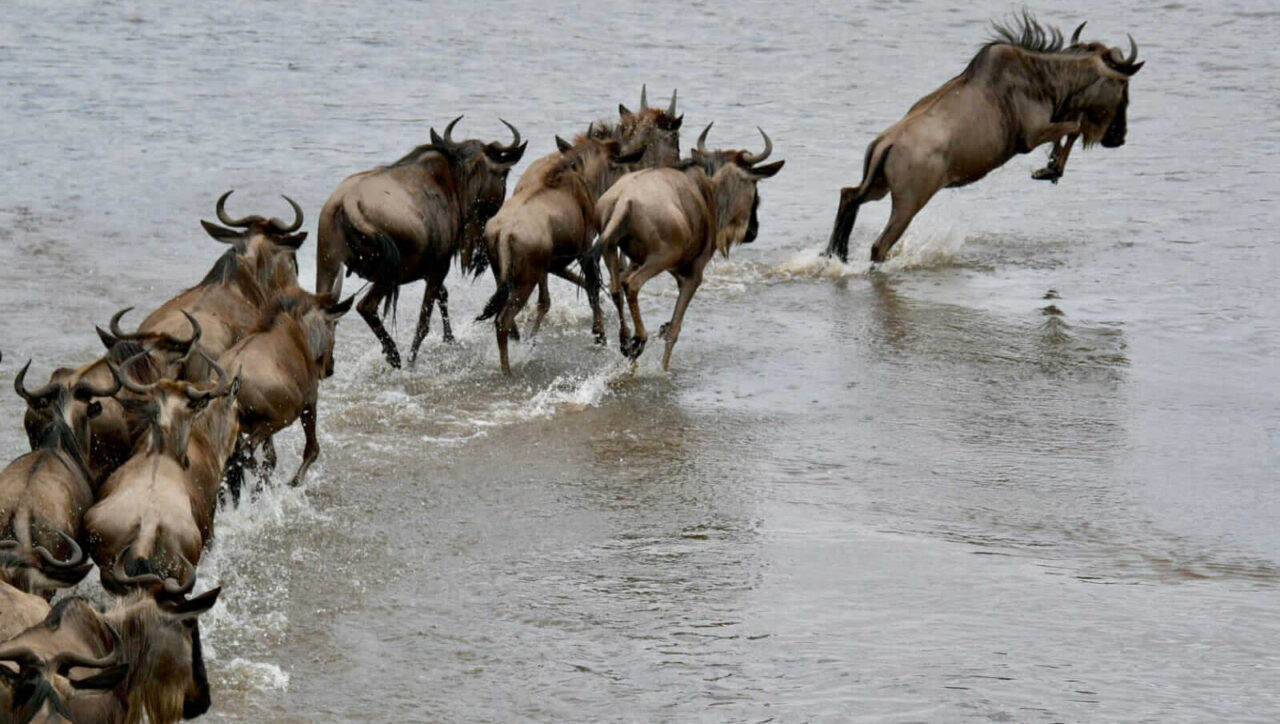
The Great Migration is one of the most spectacular wildlife events on earth. Over a million wildebeest, accompanied by zebra and gazelle, make a circular journey between Tanzania’s Serengeti and Kenya’s Masai Mara. The Kenyan chapter of this story happens between July and October, with the famous Mara River crossings typically peaking in Late July to September.
If you’re planning Kenyan safari purely for the migration, August is widely considered the sweet spot. The herds are deep in Kenyan territory, the river crossings are in full swing, and the weather is dry and comfortable.
Is November a Good Time to Visit Kenya?
This question comes up a lot, and the honest answer is it depends on what you’re after.
November marks the beginning of the short rains. Showers are usually brief and come in the late afternoon, so they rarely disrupt a full day of game viewing. The Masai Mara in November is green, photogenic, and considerably less crowded than the peak months. Accommodation rates are lower, and you’ll often have game vehicles and viewpoints largely to yourself.
The migration herds have typically moved back into Tanzania by late October or November, so if that’s your primary goal, you may have missed the best of it. However, the resident wildlife in the Masai Mara; lions, elephants, leopards, hyenas, and more is present year-round, and November can produce outstanding sightings.
For travelers on a tighter budget, or those who genuinely dislike crowds, November is actually a very good time to plan a Kenyan safari. You won’t get the migration spectacle, but you’ll get an intimate, unhurried safari experience that many seasoned travellers prefer.
Best Time to Visit Kenya Beaches
Kenya’s coastline along the Indian Ocean is a world apart from the savanna, and it follows a slightly different climate rhythm.
The best time to visit Kenya’s beaches including the popular strips around Diani Beach, Watamu, and Lamu is during the dry seasons: January to March and July to October. During these months, the sea is calm, the sun is consistent, and visibility for snorkelling and diving is at its best.
Closing Remarks
The Kenya safari best time of the year is between June and October as well as December to March during the dry season when animals usually gather near watering holes. Between July and September you also get to experience the Great Migration of millions of wildebeests and Zebras in Maasai Mara.
However, during this high and peak season the rates are usually higher and the parks usually have more travelers. To enjoy the best rates and uncrowded parks, we recommend traveling in the green season between March and June.