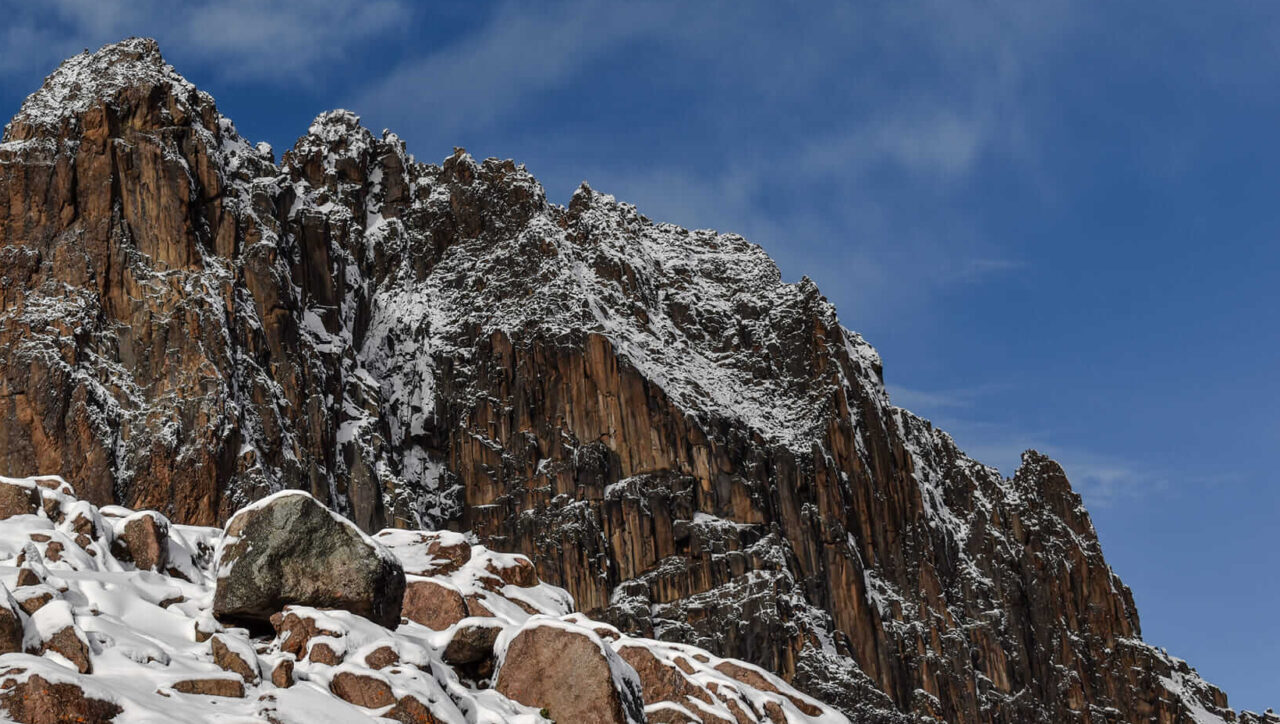
A Guide to Mountain Climbing in Kenya
Kenya is famous for its beautiful landscapes and amazing wildlife. It also has some great mountains to climb for those who love adventure and nature. This guide will take you through mountain climbing in Kenya and the top mountains in Kenya, including Mount Kenya, Mount Satima, Mount Kinangop, Mount Elgon, Mount Longonot, and how to prepare for your climb. Mountain Climbing in Kenya This guide will take you through mountain climbing in Kenya and some of the top and highest mountains in Kenya which include Mount Kenya, Mount Elgon, Ol Doinyo Lesatima 1. Mount Kenya: Tallest Mountain in Kenya Mount Kenya is the second highest mountain in Africa, standing tall at 5,199 meters (17,057 feet) and the tallest in Kenya. It is located in central Kenya and is a UNESCO World Heritage Site. It is a very popular mountain climbing destination in Kenya with a good number of people taking expeditions to one of its peaks (Point Lenana) and fewer others trying to challenge the vertical climb to Batian peak the highest peak. Mount Kenya has several peaks, with Batian and Nelion being the highest and hardest to climb and Point Lenana being relatively easier to climb with no ropes required. Routes Sirimon Route: This route is popular because it is not too steep and has beautiful views of the Northern moorlands. With a 4 days climbing expedition on this route you can get to Point Lenana. Check out this Mount Kenya 4 Days Climbing Expedition Sirimon Route. The Mount Kenya hike price for a 4 days expedition is 750 USD all inclusive. Chogoria Route: Known for its scenic beauty, this route takes you through forests, lakes, waterfalls, caves, and gorges. You can visit lake Ellis, Nithi Waterfalls and other other attractions. Naro Moru Route: The fastest but steepest route, often used by experienced climbers who want to reach the top quickly. Tips for Climbing Mount Kenya Take time to get used to the high altitude to avoid sickness. Hire a local guide to help with navigation and safety. It is a requirement by KWS to have a local guide when climbing this mountain. At Kifaru Discover Safaris, we have very good local guides at Mount Kenya. Pack warm clothes and waterproof gear because the weather can change quickly. To climb Mount Kenya on a slower pace and enjoy more attractions, you can check out this 6 Days Mount Kenya Mount Kenya climbing expedition from Sirimon route to Chogoria route. At Kifaru Discover Safaris we have some of the best climbing Mt Kenya packages and you can contact us for custom packages. 2. Ol Donyo Lesatima (Mount Satima)- Aberdare Range Ol Donyo Lesatima, often simply called Lesatima or Mount Satima, is located in the Aberdare National Park in central Kenya. It is the third highest peak in Kenya at 4001 metres after Mount Kenya and Mt Elgon. Ol Donyo Lesatima is a Maasai word which means the ‘mountain of the bull calf’. Lesatima is a common mountain climbing in Kenya destination and is usually done in preparation for climbing Mt. Kenya. The Aberdare Range is renowned for its dense forests, stunning waterfalls, and abundant wildlife. Climbing Lesatima provides an opportunity to explore these lush landscapes and enjoy the tranquility of the highlands. Here is the main route for climbing Mount Lesatima. Starting Point: The primary route to Ol Doinyo Lesatima begins at the Aberdare National Park’s Northern Moorlands gate (Shamata Gate). It can also be accessed through the Nyeri Side on Wandare Gate or Mweiga Gate or Rhino Gate (near Tafaria Castle). Through the Shamata Gate one has to pass the Dragon Teeth then reach Mount Satima. Trail: The trail is fairly well-marked and winds through montane forests, bamboo zones, and open moorlands. As you ascend, the vegetation changes, offering diverse scenery and a chance to see various wildlife species. Summit: The final ascent to the summit involves a steep climb over rocky terrain. Once at the top, climbers are rewarded with panoramic views of the Aberdare Range, the Great Rift Valley, and on clear days, even Mount Kenya. Why climb Mount Satima Diverse Ecosystems: The climb takes you through different ecosystems, from lush forests teeming with wildlife to alpine moorlands with unique flora. Wildlife: The Aberdare National Park is home to elephants, buffaloes, leopards, antelopes, and numerous bird species. Climbers often spot wildlife along the trail. Scenic Beauty: The Aberdare Range is known for its scenic beauty, including waterfalls, deep valleys, and rolling moorlands. Towering Peak and Moorlands: Lesatima’s summit is characterized by its rugged terrain and expansive moorlands. The peak stands out against the surrounding landscape, offering a striking contrast to the lower forested areas. Cultural Significance: The Aberdare Range holds cultural importance for the Kikuyu people, who regard it as one of their traditional homes. Exploring this area offers insights into the local culture and traditions. Best Time to Climb to Climb Ol Donyo Lesatima The best time to climb Ol Doinyo Lesatima is during the dry seasons, from January to March and July to October. During these periods, there is less rain, the weather is more stable, and the trails are less muddy. During the rainy season the trail is very slippery and difficult to climb. Permits and Guides Climbers need to obtain park entry permits from the Kenya Wildlife Service (KWS) to access Aberdare National Park. Hiring a local guide is recommended for safety, navigation, and gaining deeper insights into the area’s natural and cultural heritage. At Kifaru Discover Safaris we have very good guides for Mount Satima who understand the mountain well. Gear and Preparation Footwear: Sturdy hiking boots with good ankle support Clothing: Layered clothing for varying temperatures, waterproof jacket, and warm gear for higher altitudes Essentials: Backpack, water, snacks, sun protection (hat, sunglasses, sunscreen), first aid kit, and navigation tools (map, compass, GPS) It is highly recommended to do preparation hikes before going to Lesatima. You can start with Mount Longonot hike then Mount Kinangop then proceed to Lesatima. Safety