
Kifaru Discover Safaris

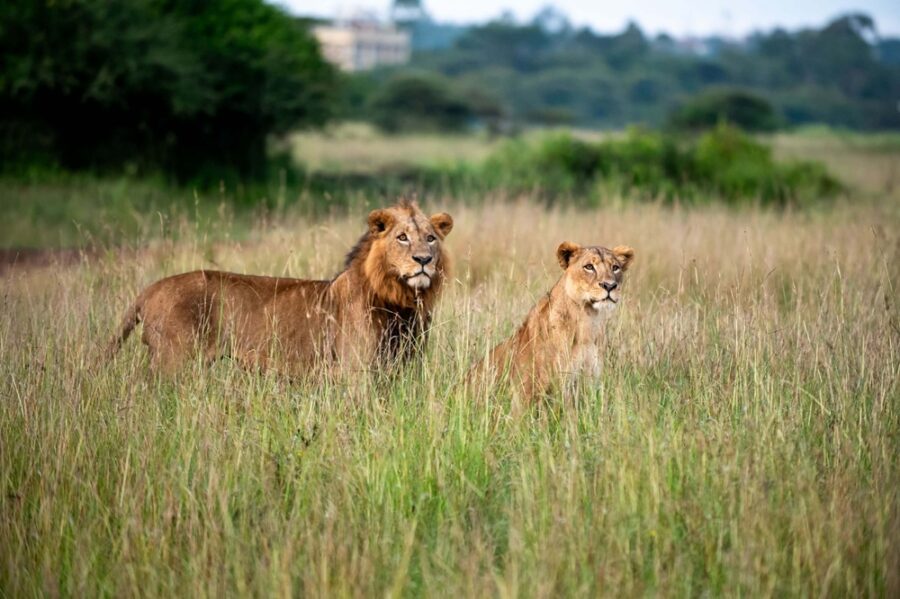
Lions spotted in Maasai Mara National Park

Kenya Safari Cost

If you are planning a safari to Kenya, one of the first things you will probably search for is Kenya safari cost. Kenya is one of the most popular safari destinations in the world, offering incredible wildlife, beautiful scenery, and unforgettable cultural experiences. But the cost of a safari can vary widely depending on your travel style, comfort level, and the season you choose. In this guide, we will break down everything you need to know about Kenya safari pricing in simple terms so you can plan better and avoid surprises. Understanding Kenya Safari Cost The Kenya safari cost depends on many factors such as accommodation type, transport, park fees, and the length of your trip. A safari is not a fixed-price holiday, so two travelers can pay very different amounts for a similar experience. Budget safaris can be surprisingly affordable, while luxury experiences can go up to several thousand dollars per person per night. The key is understanding what is included in the package and what is not. Most travelers find that Kenya offers good value compared to other African safari destinations, especially when traveling in groups or booking packaged tours. Kenya Safari Cost Per Person Explained When researching Kenya safari cost per person, you will notice three main categories: budget, mid-range, and luxury. Budget safaris typically start from a lower price range and often include group travel, budget lodges, or tented camps. These are ideal for travelers who want the experience without spending too much. Mid-range safaris offer more comfort, such as private rooms, better transport, and more personalized services. This is the most popular option for many international visitors. Luxury safaris focus on exclusivity, comfort, and premium experiences. These often include private guides, high-end lodges, gourmet meals, and sometimes even flights between parks. The final price per person also depends on whether you are traveling alone or in a group, since group travel usually reduces the overall cost. Affordable Kenya Safari Packages Many travelers search for affordable Kenya safari packages because they want a balance between price and experience. These packages are widely available and usually include transportation, accommodation, and a guide. Affordable packages often focus on shared group tours, especially in popular parks like Maasai Mara, Amboseli, and Lake Nakuru. Staying in budget-friendly lodges or tented camps helps reduce costs while still giving you a real safari experience. One of the best ways to save money is to book early or travel during the low season when prices are reduced. You can also combine multiple parks in one trip to maximize value. Kenya Safari All Inclusive Packages A popular choice among international travelers is Kenya safari all inclusive packages. These packages are designed to make travel easy by covering almost everything in one price. Typically, they include accommodation, meals, park entry fees, transport, and game drives. Some even include airport transfers and domestic flights between destinations. All-inclusive safaris are ideal for first-time visitors because they reduce planning stress and make budgeting easier. You know exactly what you are paying upfront, which helps avoid unexpected expenses during the trip. These packages are available in different levels, from budget-friendly all-inclusive tours to premium luxury versions. Luxury Kenya Safari Packages For travelers looking for a premium experience, luxury Kenya safari packages offer unmatched comfort and exclusivity. These safaris often include stays in five-star lodges or private tented camps located inside or near wildlife reserves. Guests enjoy private game drives, professional guides, fine dining, and personalized service. Some luxury packages even include hot air balloon safaris over the Maasai Mara, private bush dinners under the stars, and chartered flights between parks. While the Kenya safari cost for luxury experiences is significantly higher, many travelers feel the experience is worth the price due to the comfort and unique activities included. Masai Mara Kenya Safari Cost The Masai Mara Kenya safari cost is one of the most commonly searched topics because the Maasai Mara is Kenya’s most famous safari destination. Prices for Maasai Mara safaris vary depending on the season and accommodation level. During the Great Migration season, which usually attracts many tourists, prices tend to be higher. Budget trips to Maasai Mara can be affordable if you join group tours and stay in basic camps. Mid-range and luxury options offer more comfort, better locations near wildlife areas, and higher chances of seeing the Big Five. The Maasai Mara is often included in both short and long safari itineraries, making it a key part of most Kenya travel plans. What Affects Kenya Safari Cost Several factors influence the overall Kenya safari cost. The most important one is accommodation. Luxury lodges are significantly more expensive than budget camps. Transportation also plays a role. Private 4×4 vehicles with a guide cost more than shared transport. Flights between parks can also increase the total price. Park entry fees are another major factor, especially in popular reserves like Maasai Mara. Seasonal demand also affects pricing, with peak seasons being more expensive. Finally, the length of your safari matters. A three-day trip will cost much less than a ten-day itinerary covering multiple parks. When Is the Best Time to Book a Kenya Safari Kenya continues to stand out as one of Africa’s most reliable and rewarding travel destinations, attracting global attention for its rich wildlife experiences. BBC has recently reported that the country remains a consistent leader in African safari tourism, drawing visitors year-round Timing plays a big role in how much you pay. The dry season is the most popular time for safaris because animals are easier to spot, but this also means higher prices. If you want better deals on affordable Kenya safari packages, consider traveling during the low or shoulder seasons. You may still enjoy great wildlife sightings while saving money. Booking early is also important, especially for popular destinations like Maasai Mara, where accommodation fills up quickly.

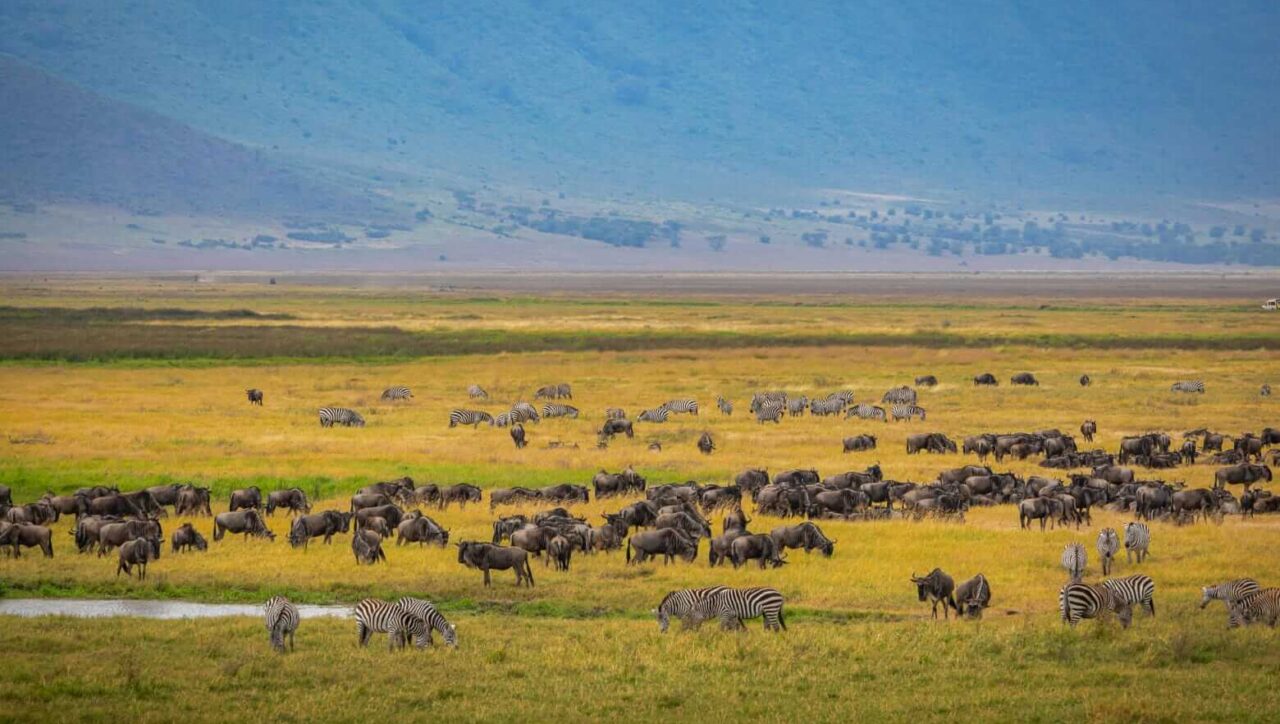
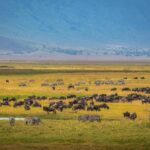
Wildebeests in Tanzania during the Great Migration

Best Time to Travel to Tanzania

If you are planning a Tanzania Safari, knowing the best time to travel to Tanzania can make a huge difference. Tanzania is one of the most beautiful destinations in Africa, famous for safaris, beaches, mountains, and wildlife experiences. From the Serengeti plains to the white sands of Zanzibar, every season offers something special. The good news is that Tanzania is a year-round destination. However, some months are better for safaris, while others are perfect for beaches or mountain climbing. In this guide, you will learn the best time to visit Tanzania depending on what you want to experience. Understanding Tanzania’s Seasons Tanzania has two main seasons: the dry season and the rainy season. The dry season usually runs from June to October. This is the most popular travel period because the weather is sunny and wildlife is easier to spot. The rainy season happens from March to May, with lighter rains in November and December. During this time, the landscapes become green and beautiful, and tourist crowds are smaller, but the weather might impede game viewing. Choosing the Tanzania best time to visit depends on your travel goals, budget, and preferred activities. Best Time to Visit Tanzania for Safari For most travelers, safari is the main reason to visit Tanzania since there is so much to explore in Tanzania. Whether it is witnessing the renowned Great Migration in Serengeti or watching the Big Five in Ngorongoro crater, Tanzania has something for all safari lovers. The dry season from June to October is widely considered the best time to visit Tanzania for wildlife viewing. Animals gather around rivers and waterholes, making them easier to spot during game drives. National parks like the Serengeti, Ngorongoro Crater, and Tarangire are especially impressive during these months. The weather is also pleasant, with cooler mornings and warm afternoons. Roads are dry, which makes game drives more comfortable. When to Go on Safari in Tanzania The Serengeti is Tanzania’s most famous national park. The Best time to visit Tanzania Serengeti depends on what you want to see. If your dream is to witness massive herds of wildebeest and zebras, timing is very important. From June to July, many travelers visit the western Serengeti to see river crossings. Between August and October, animals move toward northern Serengeti near the Kenya border. From January to March, the southern Serengeti becomes popular because it is calving season. Thousands of baby wildebeest are born during this time. Each season offers a different safari experience, making Serengeti exciting throughout the year. Best Time to Visit Tanzania for Great Migration One of the world’s most incredible wildlife events is the Great Migration. The Best time to visit Tanzania for Great Migration is usually between June and October. During these months, visitors can witness huge herds moving across the plains and crossing dangerous rivers filled with crocodiles. July and August are especially famous for dramatic river crossings in northern Serengeti. For many safari lovers this usually considered the best time to travel to Tanzania to witness this rare phenomenon. However, the migration never truly stops. From December to March, the herds gather in southern Serengeti for calving season. This period is excellent for photographers because predators are very active. If the Great Migration is your priority, planning your trip carefully is important. Best Time to Visit Tanzania and Zanzibar Many travelers combine safari adventures with a beach holiday. The Best time to visit Tanzania and Zanzibar is from June to October. During this period, the weather is dry, sunny, and perfect for both wildlife viewing and relaxing by the ocean. Zanzibar’s beaches are warm and beautiful during these months. The sea is calm, making it ideal for swimming, snorkeling, and diving. January and February are also good months to enjoy both mainland Tanzania and Zanzibar. Avoid April and May if possible because heavy rains can affect beach activities and travel plans. Best Time to Visit Tanzania Beaches Tanzania has some of Africa’s most stunning beaches. The best time to visit Tanzania beaches is between June and March. During this period, temperatures are warm, and rainfall is usually low. Zanzibar, Pemba Island, and Mafia Island are famous for crystal-clear waters and soft white sand. Beach lovers often prefer January and February because the weather is hot and sunny. These months are excellent for diving and water sports. If you want a quieter beach holiday, November can also be a good option because tourist crowds are smaller. Best Time to Visit Tanzania Kilimanjaro Mount Kilimanjaro attracts climbers from all over the world. The best time to visit Tanzania Kilimanjaro is during the dry seasons, especially from January to March and June to October. These months offer clearer skies and safer hiking conditions. January to March is colder, and there may be some snow near the summit. However, the mountain is less crowded during this time. June to October is the busiest climbing season because the weather is stable and visibility is excellent. Avoid climbing during April and May because heavy rain can make trails slippery and difficult. Is December a Good Time to Visit Tanzania? Many travelers ask, Is December a good time to visit Tanzania? The answer is yes. December is actually a wonderful time to visit Tanzania, especially during the holiday season. The weather is generally warm, and short rains usually do not last all day. Wildlife viewing remains good, and the landscapes become greener and more beautiful after the rains. December is also a fantastic month to visit Zanzibar because beach conditions are pleasant and festive celebrations create a lively atmosphere. However, December is a popular travel period, so booking hotels and safaris early is recommended. Visiting Tanzania on a Budget If you want lower prices, consider traveling during the rainy season. From March to May, many hotels and safari lodges offer discounts. Parks are less crowded, and the scenery becomes lush and green. Although rain can sometimes affect activities, budget travelers may enjoy the peaceful atmosphere and reduced costs. This

Kenya eTA new update

Kenya eTA (Electronic Travel Authorization) as a Replacement for Traditional Visa

Traveling to Kenya has become much easier thanks to the introduction of the Kenya eTA (Electronic Travel Authorization). This new system replaces the traditional visa process, making it faster and more convenient for travelers around the world. Whether you’re planning a safari adventure, a beach holiday, or a business trip, understanding how the Kenya eTA works is important before you travel. What Is the Kenya eTA? The Kenya ETA is an online travel authorization that allows visitors to enter Kenya without applying for a traditional visa through embassies or consulates. Instead of paperwork and long waiting times, travelers can now complete everything online from the comfort of their home. The system is semi-automated and helps determine your eligibility to travel to Kenya by collecting biographic information and answers to eligibility questions from you as the traveler. This system is designed to improve border security while making travel smoother. It also helps reduce delays at airports since travelers are pre-approved before arrival. Why Kenya Replaced the Traditional Visa The Kenyan Ministry of Interior and National Administration introduced the eTA system to modernize its immigration process. Traditional visas often required physical applications, long queues, and processing delays. With the Kenya eTA: Applications are fully online Processing is faster Travelers receive approval before departure Entry procedures at airports are smoother This change offers so much convenience for safari lovers who desire to explore Kenya as a premier safari destination. Kenya eTA Application Process Applying for a Kenya eTA application is simple and user-friendly. Here’s how it works: Visit the Kenya eTA visa official website Fill out the online application form Upload required documents Pay the processing fee Wait for approval via email Make sure all details are correct before submitting your application. Any errors could delay approval or even lead to rejection. Using the Official Application Portal To avoid scams or fake services, always apply through the Kenya eTA visa official website. This is the only trusted platform where you can safely submit your application and make payments. Using unofficial websites can lead to extra charges or even loss of personal information. Always double-check the website before entering your details. Kenya eTA Visa Requirement Update Understanding the Kenya eTA visa requirement Update is important before applying. While requirements may change slightly over time, the most common documents include: A valid passport (with at least 6 months validity) A recent passport-size photo Travel details (flight and accommodation) A valid email address Payment method for fees Some travelers may also be asked to provide additional documents depending on their purpose of visit, such as business or medical travel. Kenya eTA Processing Time One of the biggest advantages of the Kenya eTA is its fast approval time. The Kenya eTA processing time is usually: 2 to 3 business days for most applications Sometimes faster if all documents are correct However, it’s always recommended to apply at least a week before your travel date. This gives enough time in case of delays or additional checks. Kenya eTA Exempt Countries Although the Kenya eTA applies to most travelers, there are some Kenya eTA exempt countries. Citizens from these countries do not need to apply for the eTA before entering Kenya. Exemptions typically include: Some African countries Diplomatic or official passport holders Special agreements between Kenya and certain nations Travelers should always check the latest exemption list before planning their trip, as policies can change. Tips for a Successful Kenya eTA Application To increase your chances of approval, keep these simple tips in mind: Double-check all information before submitting Use a clear and valid passport photo Apply early to avoid last-minute stress Use only the official website Keep a copy of your approved eTA Following these steps can help you avoid common mistakes and ensure a smooth travel experience.

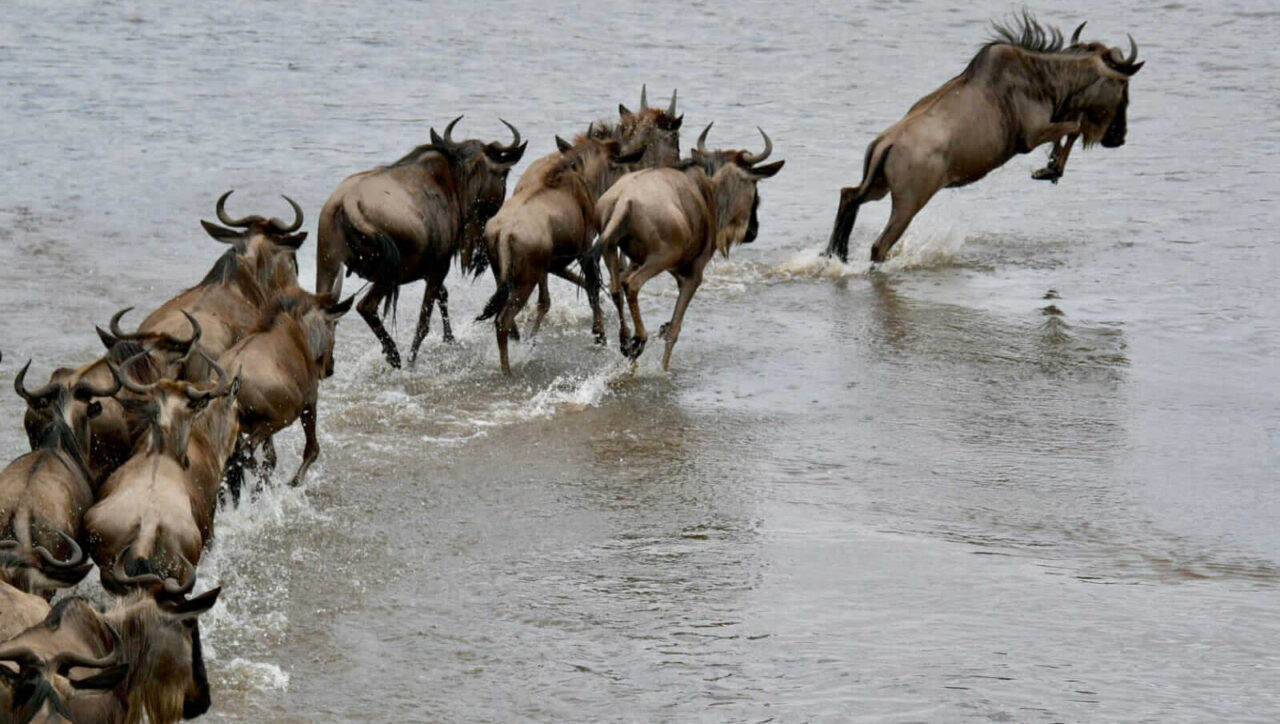
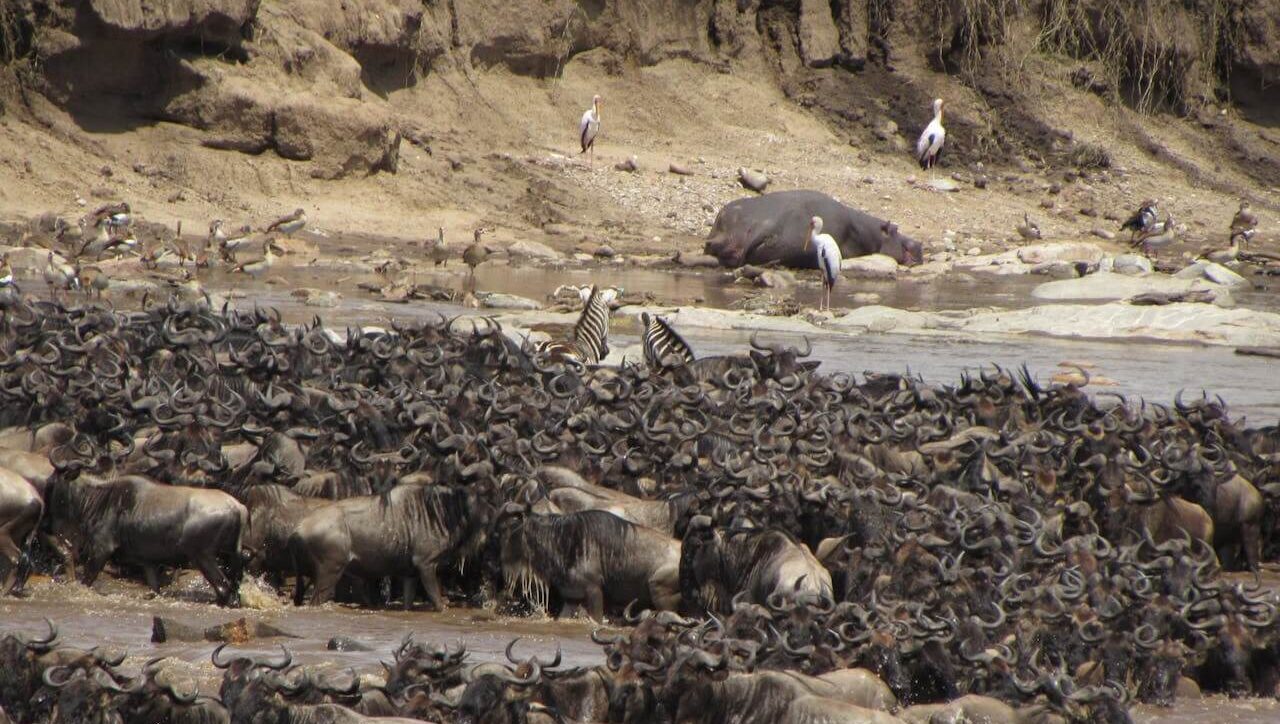
Wildebeest crossing the Mara during the Great Migration.

Kenya Safari Best Time of Year

Planning a safari to Kenya is one of the most exciting decisions you can make as a traveler. Whether you are dreaming of watching a million wildebeest thunder across the savanna or cooling your feet in the warm waters of the Indian Ocean, timing is everything. Knowing the Kenya safari best time of the year can mean the difference between a good safari and the safari of a lifetime Understanding Kenya’s Seasons of the Year Kenya has two main seasons: dry and wet (there is no summer, winter, autumn or fall). Unlike many destinations where rain means stay home, Kenya’s wet season has its own unique appeal. It is important to understand these seasons since rainfall shapes everything (the clarity of game viewing, migration patterns and the terrain). Dry Season: June to October and January to February — this is considered the best season for game viewing in safari destinations such as Maasai Mara because the weather allows complete visibility and also with water drying up wild animals congregate around the remaining sources of water, which is perfect for spotting and photographing them.   Wet Season (Long Rains): March to May — The vibrant grasslands are appealing to some tourists, but because animal spread out more widely, game viewing during this season is a little more unpredictable.   Short Rains: November to December —the lush backdrops give perfect scenery for photographers. Best Time to Visit Kenya Masai Mara The Masai Mara is Kenya’s crown jewel, and honestly, it rewards visitors almost any time of year. That said, the undisputed peak period is July through October. During these months, the grass is low, predator activity is high, and the atmosphere in the reserve is electric. What Makes July to October So Special for Safari? From July onwards, the Mara fills up with game. Lions are active, cheetahs hunt in the open plains, and elephant herds move freely. But the biggest draw of all is the Great Migration. Beyond the migration, the dry season means animals congregate along the Mara River and its tributaries. A single morning game drive can yield sightings that would take weeks to match elsewhere. If the Masai Mara is your priority, don’t compromise on timing, aim for this window. The short dry season (December-February) presents an excellent opportunity for spotting predators especially the big cats (lions, leopards, and cheetahs). It is also preferred by some tourists since it is less crowded than the main migration season. Visiting the Masai Mara in the Green Season From November through May, the Mara is quieter and genuinely beautiful. The plains turn a vivid green, baby animals are everywhere, and bird life explodes with colour and variety. If you’re a photographer or someone who prefers solitude over crowds, the green season has a quiet magic that peak season simply can’t offer. Best Time to Visit Kenya for the Great Migration The Great Migration is one of the most spectacular wildlife events on earth. Over a million wildebeest, accompanied by zebra and gazelle, make a circular journey between Tanzania’s Serengeti and Kenya’s Masai Mara. The Kenyan chapter of this story happens between July and October, with the famous Mara River crossings typically peaking in Late July to September. If you’re planning Kenyan safari purely for the migration, August is widely considered the sweet spot. The herds are deep in Kenyan territory, the river crossings are in full swing, and the weather is dry and comfortable. Is November a Good Time to Visit Kenya? This question comes up a lot, and the honest answer is it depends on what you’re after. November marks the beginning of the short rains. Showers are usually brief and come in the late afternoon, so they rarely disrupt a full day of game viewing. The Masai Mara in November is green, photogenic, and considerably less crowded than the peak months. Accommodation rates are lower, and you’ll often have game vehicles and viewpoints largely to yourself. The migration herds have typically moved back into Tanzania by late October or November, so if that’s your primary goal, you may have missed the best of it. However, the resident wildlife in the Masai Mara; lions, elephants, leopards, hyenas, and more is present year-round, and November can produce outstanding sightings. For travelers on a tighter budget, or those who genuinely dislike crowds, November is actually a very good time to plan a Kenyan safari. You won’t get the migration spectacle, but you’ll get an intimate, unhurried safari experience that many seasoned travellers prefer. Best Time to Visit Kenya Beaches Kenya’s coastline along the Indian Ocean is a world apart from the savanna, and it follows a slightly different climate rhythm. The best time to visit Kenya’s beaches including the popular strips around Diani Beach, Watamu, and Lamu is during the dry seasons: January to March and July to October. During these months, the sea is calm, the sun is consistent, and visibility for snorkelling and diving is at its best. Closing Remarks The Kenya safari best time of the year is between June and October as well as December to March during the dry season when animals usually gather near watering holes. Between July and September you also get to experience the Great Migration of millions of wildebeests and Zebras in Maasai Mara. However, during this high and peak season the rates are usually higher and the parks usually have more travelers. To enjoy the best rates and uncrowded parks, we recommend traveling in the green season between March and June.

Kenya best time to go

Kenya Best Time to Go : A Guide for Safari & Beach Travelers

Kenya is one of the most magical destinations in Africa, offering wonderful wildlife, beautiful landscapes, and rich cultures. One of the most common questions travelers ask is: “When is the Kenya best time to go?” The best time to go to Kenya is between June and October during the Great Wildebeest Migration and it is also the the cool dry season, which is considered the best weather for safari and outdoor travel. The answer also depends on what you want to experience—be it the Great Migration, game drives in the Masai Mara, or sunbathing on pristine beaches. At Kifaru Discover Safaris, we are here to help you plan the perfect trip. Below is a guide on the best time to visit Kenya for safari, beach relaxation, budget travel, and the iconic wildebeest migration. Best Time to Go to Kenya for Safari The best time to visit Kenya for safari is during the dry seasons, which occur from June to October and again from January to March. These months offer excellent wildlife viewing opportunities in national parks such as Masai Mara, Amboseli, Tsavo, Samburu, and Lake Nakuru. June to October: This is the peak season. The vegetation is thin, making it easier to spot animals. Water sources are limited, so animals congregate around rivers and waterholes—perfect for photography and game drives. January to March: Another dry spell that’s ideal for wildlife viewing, especially for birdwatching and seeing baby animals born during the rainy season. If you are asking, “Kenya best time to go for wildlife?”—these two periods (June to October) and (January to March) are your best bet because the weather is dry  and vegetation scarce for wildlife viewing. THE best time to go on Kenya safari is between June and October during the cool dry season when parks have less vegetation and animals visit water holes more regularly making it easier to spot wildlife including the Great Wildebeest Migration. Check out some of the best Kenya safaris here.  Best Time to Visit Kenya for Migration The Great Migration is one of the world’s most breathtaking natural events, with millions of wildebeest, zebras, and gazelles crossing the Serengeti into the Masai Mara. The best time to visit Kenya for Migration is from July to October, when herds arrive in the Masai Mara. This is also when dramatic river crossings occur—an unmissable spectacle if you are planning a migration safari. Book early, as lodges and camps in the Masai Mara fill up fast during this period. So, if you are wondering about the best time to visit Kenya safari Masai Mara, July to October is your ideal window for the migration of wildebeests and zebras. This makes July to October the best time to visit Kenya Masai Mara for this wonder of the world. Check out this 8 Days Kenya Safari Cheapest Time to Go to Kenya If you are on a budget, you might want to know the cheapest time to go to Kenya. Traveling during the low season, which falls between April to early June and November, can help you save significantly. During these months, accommodation and tour packages are generally more affordable. Though it is the rainy season, you wll still enjoy lush green landscapes and fewer crowds in parks and reserves. Many lodges offer discounts, making luxury experiences more accessible. At Kifaru Discover Safaris, we have custom packages for travelers looking to explore Kenya on a budget—without compromising on experience. Best Time to Visit Kenya Beaches Kenya’s coastline boasts some of the most beautiful beaches in Africa, including Diani, Nyali, Watamu, and Malindi. The best time to visit Kenya beaches is during the dry seasons: December to March and July to October. During these months, the skies are clear, the ocean is calm, and conditions are perfect for snorkeling, diving, and relaxation. During the long rains season between late March and May, flooding sometimes can occur at the Kenyan cost as most of the rivers in Kenya drain to the Indian Ocean. Combine your beach getaway with a safari for the ultimate Kenyan holiday. Kenya Weather Overview by Season January – March (Dry Season): Weather: Hot and dry. Activities: Excellent for game drives and beach holidays. Crowds: Moderate. April – May (Long Rains Season): Weather: Heavy rains, especially in the afternoons. Activities: Not ideal for safaris due to muddy roads, thick vegetation, but good for discounted travel. Crowds: Low. June – October (Cool Dry Season): Weather: Cool and dry. Activities: Peak safari season and Great Migration in Masai Mara. Crowds: High—advance bookings recommended. November – December (Short Rains): Weather: Light rains, mostly at night. Activities: Still good for safari and beaches. Crowds: Moderate. Final Thoughts: When is Kenya Best Time to Go? Ultimately, the Kenya best time to go depends on your travel goals: Want to see the Great Migration? Visit between July and October. Looking for the best safari experience? Travel during the dry seasons: January–March or June–October. Need a budget-friendly option? Try January, February, March, April, May, or November. Planning a beach holiday? Choose December to March or July to October. If you have been wondering, when to go on safari in Kenya, June to October is the most ideal time for best weather but you can also consider January to March for less crowded safari. At Kifaru Discover Safaris, we help travelers customize their Kenya safari to match their interests, timing, and budget. Whether you are dreaming of big cats in the wild Maasai Mara, flamingos in Lake Nakuru, or white sands along the Indian Ocean, we have got you covered. Plan Your Perfect Kenya Safari Today! Get in touch with Kifaru Discover Safaris and let our experts guide you on the best time to visit Kenya for safari, beach, or budget travel. Our tailor-made packages are designed to give you a once-in-a-lifetime adventure, every time. Contact us now and start planning your Kenyan journey! Call/WhatsApp +254 727 944 748, or email us info@onlinemolen.com.

Top 10 Things to Do in Kenya

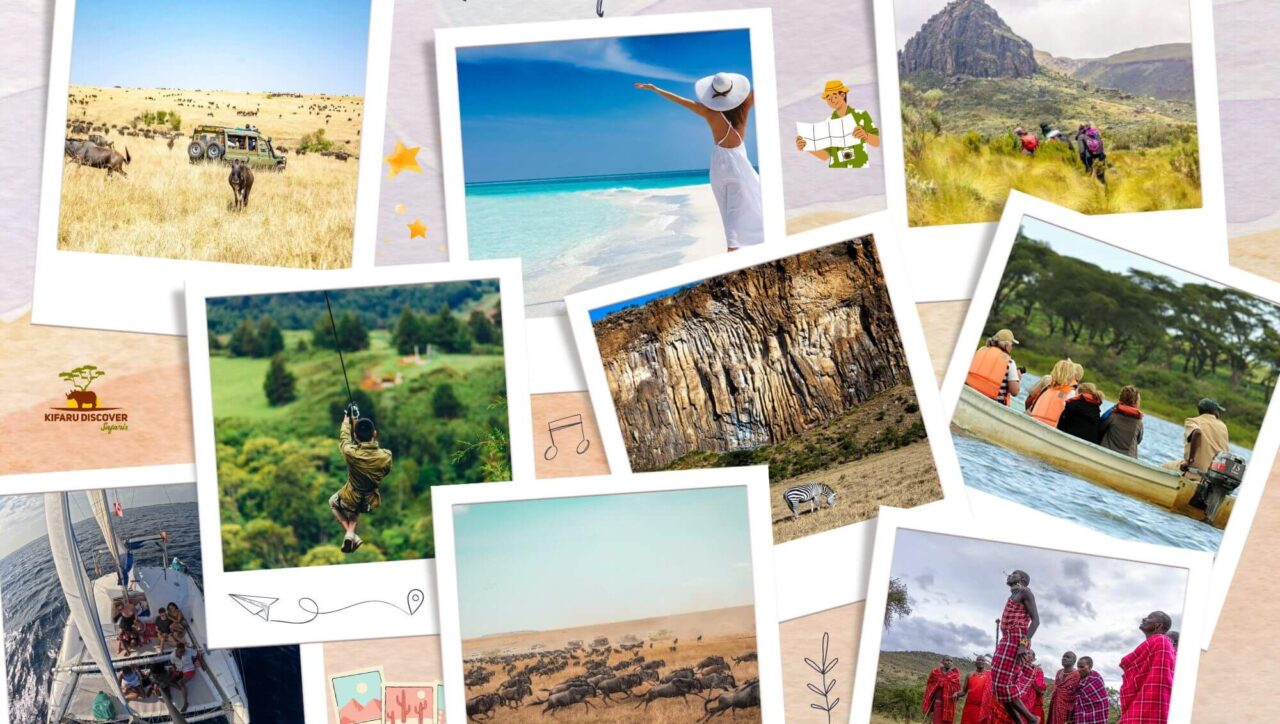
Kenya offers a variety of things to do for travelers and adventurous people alike. Some of the things to do in Kenya include safaris, beach holidays, hiking, mountain climbing, camping, zip-lining, water rafting, kayaking, boat riding, desert safari, and many others. If you love adventure and thrilling activities, Kenya is top destination. In this guide, am going to outline more details about these things one can do in Kenya and enjoy their holiday. Top 10 Things to Do in Kenya Kenya Safaris Kenya has some of the best African safari destinations from the renown Maasai Mara, Amboseli, Tsavo, Samburu and many other amazing destinations. You can start your safari right at the capital at the Nairobi National Park which is known as the only national park in the world located in a city. You can also do a walking safari at Nairobi Safari Walk and see a variety of animals. At Maasai Mara you can witness the famous Great Migration where millions of wildebeests and zebras migrate between Kenya and Tanzania plus the Big 5 animals. Amboseli is known for its huge African elephants and great views of Mt Kilimanjaro. During your Kenya safaris, you are guaranteed to enjoy the game drives and see lots of animals from lions, zebras, giraffes, buffaloes, rhinos, cheetahs, hyenas, leopards, gazelles, and hundred of bird species. You can book your Kenya Safari with Kifaru Discover Safaris for the best adventure of your life. Beach Holidays Kenya has some of the best white sand beaches from Diani, Watamu, Nyali and Mombasa among others. Diani beach has been voted multiple times by World Travel Awards as the best white sand beaches in Africa. During your beach holiday you can just relax at the beach and sun bathe or you can take a boat ride to the marine park. There you can see a variety of tropical fish at the coral reef.   At Kisite Mpunguti Marine Park south of Diani you can enjoy a Wasini Dolphin Tour where you will get up-close with dolphins in their natural habitat. At Watamu Marine, you can witness whales’ migration during certain times of year usually between August to October. A beach holiday is highly recommended after your wild bush safari for relaxation and enjoy the coastal breeze from the Indian Ocean. I can also say that a beach holiday in Diani or Watamu is also one of the best things to do in Kenya with kids as they have time to enjoy the beach, make sand castles, boat riding, and many other activities. Hiking and Mountain Climbing This country has a variety of breathtaking hiking and mountain climbing destinations from Mount Kenya, Mount Longonot, Aberdare Ranges, and Mt. Elgon among many others. Mount Kenya is the second highest mountain in Africa after Mount Kilimanjaro. These places will test your fitness to the limits. However, some hiking destinations like Mount Longonot, Ngong Hills, Sleeping Warrior are not very challenging. Camping There are various exciting camping places in Kenya which include shores of Lake Elementaita, Lake Naivasha, Maasai Mara, Sagana, Laikipia, and many others. For camping lovers, trust me you will love these camping spots and the views you get especially during sunrise and sunsets. Ziplining, High Ropes, and Wild Swing Kenya also offers a variety of thrilling activities for adrenaline junkies. These activities are offered in places like Kereita Forest, Burudani Adventure Park, Kompas Ngong Hills, Nkaisiri Park among others. If you want to fly above the rush African vegetation at terrific speeds, you have to try these activities. You can get a wild swing at Camp Ndunda in Njukiri Forest in Embu and also at Njine Kabia waterfalls. Water Rafting, Kayaking, and Boat Riding If you are a water activities person, you can engage in water rafting and kayaking in Sagana and enjoy the thrill of the ranging waters of River Sagana at Jangwani Camp. You can even do team building at Sagana. If you are daring enough in can take a waterfall plunge and swim in the fast-flowing river (with protective gear). These water activities especially water rafting are some of the unusual things to do in Kenya worth trying. Desert Safari Did you know you can do a desert safari in Kenya? Yes, you can head north to the magnificent Chalbi Desert. Be sure to use an offroad vehicle a 4×4 tour jeep is highly recommended for this adventure. When doing the north circuit, you can also visit Lake Turkana, Mt. Ololokwe, and Ngurunit Rock Slides. These are some of the unique things to do in Kenya which most people don’t know. It is highly recommended to book with our local guides at Kifaru Discover Safaris for guidance on this adventure. Cultural Tours You can take some time to learn about various culture with the traditional Maasai culture being among the most famous. You can do a Maasai Manyatta Village visit after your Maasai Mara safari to learn about the rich Maasai culture which has remained unchanged for ages.   You will learn how they make their mud houses, how they light fire using sticks, and participate in their traditional dances. You can also learn about other cultures such as the Samburu Culture, Giriama Culture (coastal), Kikuyu culture (central Kenya), and many others. Cultural tours are usually very affordable and one of the things to do in Kenya on a budget. For example a Maasai Village Manyatta cultural tour usually cost between 40 – 100 USD per person depending on inclusives. Museums and Historical Tours Kenya has a variety of Museums and Historical sites where you can learn a lot about the history of the country. Some of the museums include Nairobi National Museum, National Archives, and many others. Some of the Historical sites one can visit include Fort Jesus (Mombasa), the Italian Church (smallest church in Africa at Mai Mahiu), Vasco Da Gama Pillar (Malindi), and Shimoni Slave Caves. Quad Bikes, Go Karting, and Buggies If you a motor guy, there are a variety of

What to pack Masai Mara safari

What To Pack for Masai Mara Safari :13 Necessities

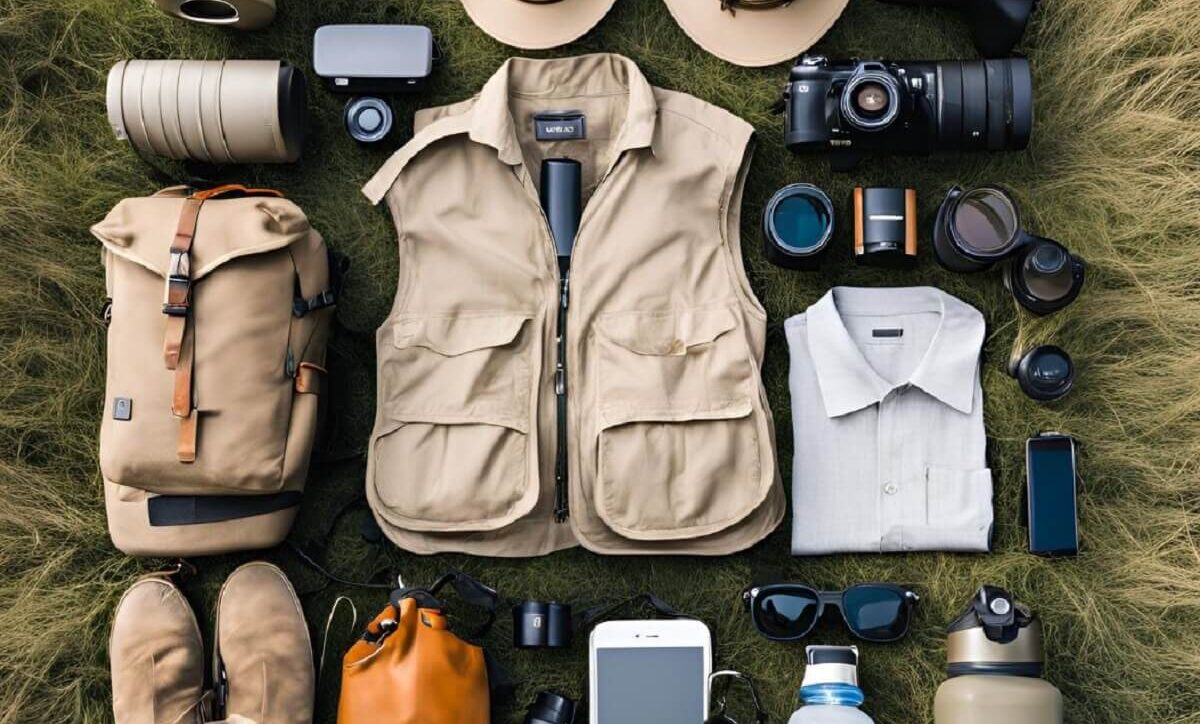
You must be planning or preparing for a Masai Mara safari and you are wondering what to pack. I have been a local guide in Maasai Mara for the last 7 years and I believe I know exactly what to pack for Masai Mara whether you are a local or international traveler. In this guide am going to am going to outline the items you are not supposed to miss in your Maasai Mara packing list. This packing list is also the Kenya safari packing list as Maasai Mara is the main safari destination in Kenya. What to Pack for Masai Mara Safari: 13 Necessities Appropriate Safari Clothes This is more than obvious that you should not miss your safari clothes in your packing list. But what exactly are you supposed to wear on a safari? Your safari clothes should have dull colours like beige and khaki and not bright colors. This is to prevent attracting wild animals and insects like tsetse flies (but these are very rare in Mara). Also consider wearing light and loose long sleeves which will keep you cool in the African heat. It is highly recommended to carry a mixture of light and heavy clothes as the weather in Kenya can be quite hot during the day and chilly at night or when it rains. You can use light clothes during the day when it is hot. If you are wondering what to wear on safari evenings,  heavier long sleeve clothes are necessary as it can get a bit cold (as per African standards not like winter ). If you are not sure what to wear on safari in Kenya in July, you can carry more light clothes for the day and few warmer clothes for the evening as this month is generally hot with little or no rain. July is considered among the best time to visit Maasai Mara just The Great Migration of wildebeests and zebras. You may also carry a swimming costume if your camp or lodge has a swimming pool especially the comfort and luxury options. If you are wondering what shoes to wear on safari in Kenya, be sure to have dull colored shoes because most safari terrains are dusty. The shoes should also be light and breathable because of the hot weather. It is highly advisable to carry extra clothes in your carry-on bag that can last you like 3 days in case your luggage delayed with the airline. Also go for shoes that have a nice grip if your itinerary has a walking or trekking or hiking part. For a safari in a tour van or jeep, light or open shoes are okay for comfort. Portable Phone Charger or Powerbank It is highly recommended to carry an extra source of power to juice up your devices. Most of the camps and lodges in Maasai Mara do not have mains electricity. They either depend on solar power or generator where power rationing is very common during certain hours of the day which is usually communicated by the hotel in advance. You can also carry an extra phone to keep connected when the charge in your main phone runs out. Sometimes in you can be out for a game drive for a whole day without a power outlet nearby and you need to take those photos for your memories. Torch or Rechargeable Lamp It is highly recommended to have a torch whether rechargeable or the one that uses batteries. This is for the same reasons above of lack of mains electricity in most camps in Maasai Mara. You can use the torch to find something in your tent or room at night or find your way to the washroom as some camps switch of their lights slightly before midnight till early morning. If you need more comfort during your Maasai Mara safari, especially for ladies, you can consider carrying a battery-powered fan to cool yourself during safari. Sun Hat or Cap You should also have at least a wide brim sun hat or cap to protect you from the scorching sun. This will protect you from sunburns and other issues. At Kifaru Discover Safaris we usually give free African safari style sun hats for all our clients and thus you don’t have to worry about this if you are traveling with us. Sun Screen The sun in Africa can sometimes be unforgiving to the skin especially if one’s skin is not used to it. If you are planning on spending more time exposed to the sun either sunbathing, walking or swimming, consider carrying sunscreen. This adds a layer of protection for your exposed skin to protect it from sun burns. Sunglasses Have you ever wondered why the cheetahs have black lines under their eyes? This is to reduce glare which is very prevalent in the African plains. Sun glasses will protect your eyes from sun glare. Be sure to obtain quality sunglasses with the proper UV rating for direct sunlight. Insulated Reusable Water Bottle For sustainability reasons and Eco-friendliness, a good number of hotels and tour companies like Kifaru Discover Safaris are only offering refillable drinking instead of plastic bottles. This is a measure to reduce plastic pollution in the national parks and the surrounding environment. The water is very clean water bought from the store (locally known as supermarket) in one large reusable container and thus very safe for drinking. Consult with your tour agency and lodge about this arrangement. An insulated bottle is good to either keep your water cold during the day and warm during the night. Drinking Water and Snacks It is highly advisable to carry some extra drinking water (in your insulated bottle), some snacks, energy drink, and maybe some soft drinks (or hard drinks if that is your vibe, just don’t over do it). These can be bought once you arrive in Nairobi or any other city in Kenya. You can always request your driver for a stop over at as supermarket(store) to

best time to visit masai mara

Best Time to Visit Masai Mara (Month by Month Guide)

You probably know Maasai Mara is found in Kenya and is a well-known attraction. It has been one of the best safari destinations in Africa due to its Great migration wonder of the natural world. But when is the best time to visit Masai Mara? In this guide we are going to advise you on the best time to visit Maasai Mara so that you can enjoy the best of your Kenya safari.We have been planning Masai Mara Safaris for many years and always strive to our clients the best travel experiences. Maasai Mara got its name from the Maasai people who inhabit the region in their native language of Maa, Mara means dotted. Masai means plain, in full Maasai Mara means dotted plains. It is not a park but a national reserve that belongs to the Maasai people under the management of the County Government of Narok. Maasai Mara has an area of 1920km in Mara region and it is located in the southern part of The Great Rift VaIIey and is in south west of Nairobi city and it’s approximately 7hrs drive from Nairobi passing through the great Rift Valley. It is the most famous place to find almost every kind of animals including the big five (African Elephants, Lions, Rhinos, Leopards, and Buffalo). Other animals found in Masai Mara include cheetahs, gazelles, wildebeests, ostriches, serval cats, giraffes, and hundreds of bird species (look out for the colorful national bird of Kenya the Lilac-Breasted Roller  which also happens to be my favorite bird). The Best Time To Visit Masai Mara From experience, the best time to visit Masai Mara is definitely during the Great Migration between June and October where about 1.5 million wildebeests and zebras migrate between Kenya (Maasai Mara) and Tanzania (Serengeti). You can witness this amazing spectacle, which one of the Seven Wonders of the Natural World, on the Maasai Mara side. For good scenes be sure to visit the Mara River to witness herds and herds of wildebeests braving the deep fast moving waters and hungry crocodiles. The migration of wildebeest takes place in month of June, July, August, and September, and that is the time that travelers are able to see the migration. It involves about 1.5 million wildebeests, 0.3 million zebras and various antelope species where predators like lions, cheaters, and crocodiles lay in wait. They cross the heavily infested Mara River. The best time to visit Masai Mara for migration is the month of September when most herds are grazing on the Sekenani regions of the Mara. During this month there is almost no migratory herd in Serengeti. The best time to visit Masai Mara and Serengeti as a single safari is in the months of July (when Wildebeest are migrating North from Serengeti to Maasai Mara) and November (when wildebeests are migrating Southwards from the Mara towards Northern Serengeti). This answers those people who are wondering ‘is November a good time to visit Masai Mara? ‘. You can inquire more about Maasai Mara Safari or book your safari with us as local guides at Maasai Mara and Nairobi. INQUIRE OR BOOK Here are a few months in which a number of our clients are usually asking what is happening in Maasai Mara and our responses as local guides: Masai Mara in December December is a dry season in Maasai Mara and only experiences a few days (less than 10) of short rains. The short rain usually happen in the afternoons do not affect game drives significantly. However, you will still be able to see several herds of wildebeests which are usually resident in the Mara region. The less and short vegetation also makes it easier to spot other animals like lions, cheetahs, serval cats, gazelles , or even leopards among others. If you are a bird watching enthusiast, December is a very ideal month to visit Maasai Mara because it experiences flocks of migratory birds which fly across the Mara. Species of birds which can be spotted during this period include Rufous-bellied Herons, White Storks, Double-Toothed Barbets, Black Storks, and Spoon-Billed Storks. Some plants like Teclea bushes produce fruits during this season and the Bullbuls and White Casked Hornbills birds love these delicacies making it easy to spot them. We thus recommend December as bird watching safari month in the Masai Mara. December is also the best time to visit Masai Mara and Serengeti because wildebeests are migrating South from Maasai Mara towards northern Serengeti. Masai Mara in January If you have been wondering what Masai Mara in January looks like, January is a dry month in most parts in Kenya including the Mara Triangle. January is usually drier than December. This means less green vegetation which means you expect to see less grazers like wildebeests but still a good opportunity to see other animals like Cheetahs and Lions as the grass and other ground vegetation are short and sparse. In January, the temperatures in Masai Mara usually average around 20°C  during the day but can go as high as 32°C  especially during midday. The humidity is usually low and can go as low as 20% and sometimes as high as 70% when there is cloud cover.  If you are wondering, ‘is February a good time to visit Masai Mara?’, it is also the same dry season like January but you will still witness all the big 5 animals and smaller herds of wildebeests.   The Maasai People The Maasai people are the dominant tribe that lives around Maasai Mara. They are nomadic people moving from one place to another in search of water, pasture and food for their cattle. There is also the Maa culture which is the best culture in Kenya. The Maa culture has may sectors e.g. dances, tools/craftsmanship, housing, circumcision as a rite of passage, ornaments like necklaces. The Maa culture is one of the most hospitable communities in Kenya, they are very welcoming. Maasai Mara has some of the best luxury safari camps and